Biography
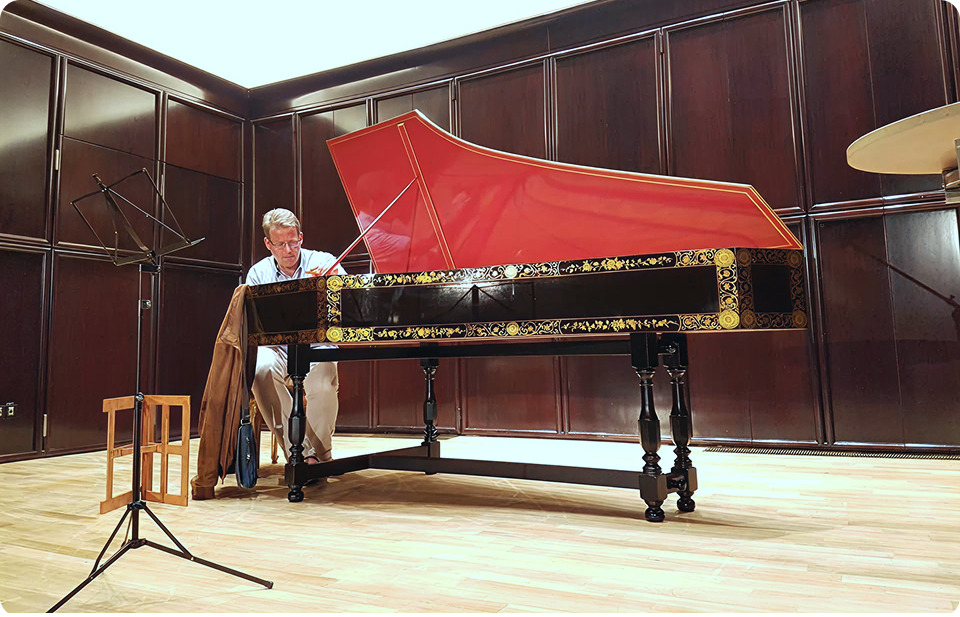
My harpsichords are authentic and acoustically faithful replicas. I have dedicated myself to building harpsichords in the manner understood by the masters of the 17th and 18th centuries. Therefore, my guiding principle in constructing my instruments is to honor the original.
Inspiriert von den Originalen des 17. und 18. Jahrhunderts baue ich Cembali, die nicht einfach rekonstruiert, sondern klanglich einzigartig sind – getragen von fundiertem Wissen, handwerklicher Präzision und 20 Jahren Erfahrung.
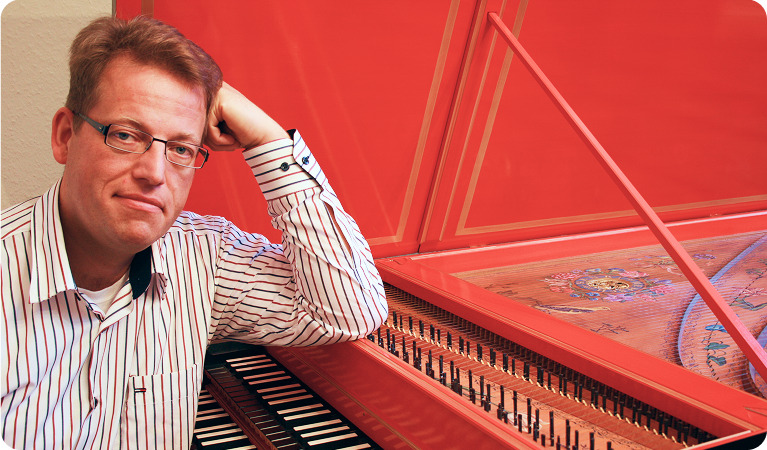
My goal is to capture the soul and spirit of an original and its specific
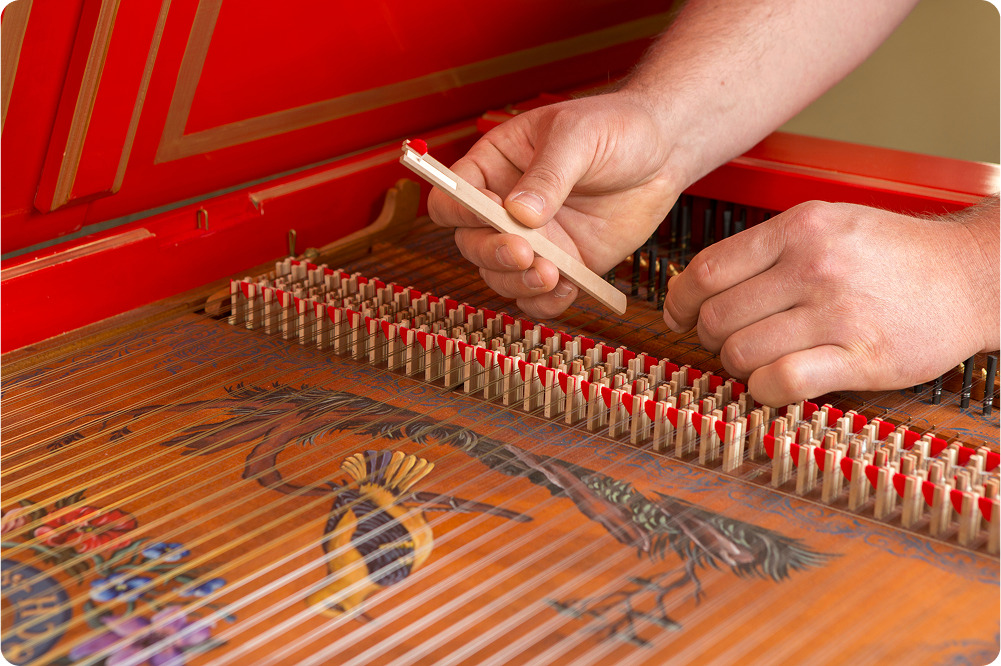
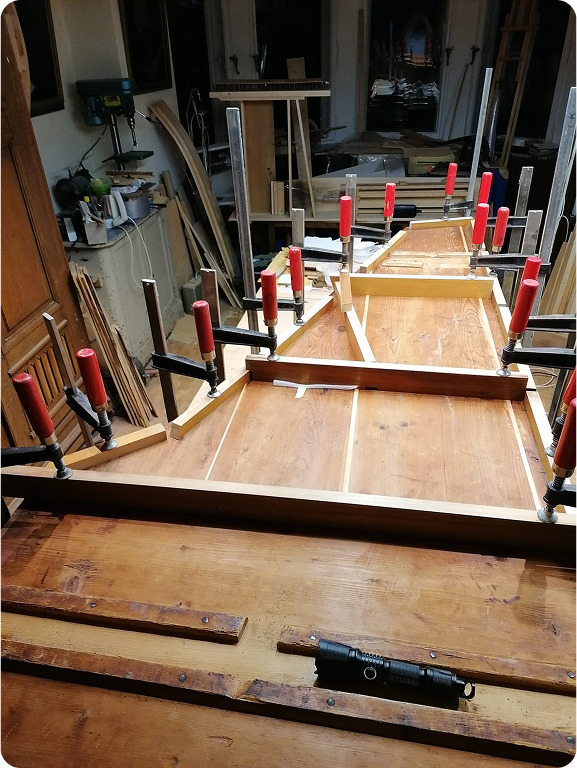
characteristics in the replica. The craftsmanship is crucial, as I primarily work with hand
tools, minimizing machine use - after all, the greatest influence on the wood and the quality of
the harpsichord comes from working with hand tools!
To do justice to an original, it is not just about having a blueprint; rather, I
strive to comprehensively absorb the instrument. I take considerable time to gain a thorough
impression of the original, considering a multitude of aspects, including the individuals Hemsch
or Ruckers in their respective eras.
My experience shows that this internal image is far more critical than rigid adherence to measurements—after
all, the replica of a harpsichord should merely be a collection of measurements and materials, but ultimately, it
should yield more than the sum of its parts!
All painful distinctions between original and copy vanish completely here. On the contrary, anyone who has ever had contact with an original "Ruckers" from the 17th century will undoubtedly feel that they are playing a sonically, touch-specific, and visually authentic Ruckers instrument.
Historical Instruments
Take a look at the current instruments—I’ll gladly help you choose for your project.
Vatter-Hemsch
a harpsichord with two sound characteristics
Andreas Ruckers
Antwerp 1646
“New Small Ruckers”
after Andreas Ruckers, 1646
Anton Walter Fortepiano
by Paul McNulty (built 1995)
Jacobus and Abraham Kirckman
London 1787
Whether concert request, harpsichord rental, or interest in the craft